If you’re thinking about a walk-in bath for yourself or a loved one, it’s natural to have questions. One of the most common concerns we hear is: do walk-in baths leak? It’s a fair thing to wonder. After all, the door in the side of the bath is what makes these products so accessible, and at first glance it might not be obvious how water stays where it belongs.
The short answer is no, a properly designed and correctly installed walk-in bath should not leak. But there’s more to it than that, and understanding how they work can make all the difference when it comes to choosing the right product and the right installer.
In this article, we’ll explain exactly how walk-in bath doors seal, what to look for in a quality product, and why professional installation matters so much. We’ve been fitting walk-in baths across the UK for over 25 years, so we know what works and what doesn’t.
How does a walk-in bath door actually seal?
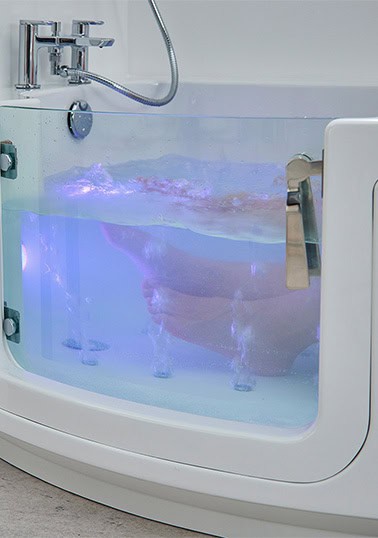
Walk-in baths use a watertight door that seals against the inside of the bath wall. When you close the door and water fills the bath, the water pressure itself pushes the door more firmly against the seal. This is called an inward-opening design, and it’s a clever bit of engineering. The more water there is, the tighter the seal becomes.
The seals themselves are typically made from high-quality rubber or silicone, which are both flexible and durable. Over time, like any seal on a door or window, they can wear down and may eventually need replacing. But in a well-made walk-in bath from a reputable manufacturer, this is a straightforward maintenance task, not a fundamental design flaw.
It’s worth noting that the door must always be closed before you start filling the bath. This might sound obvious, but it’s an important part of how these baths are used safely and correctly. Once you’re seated and the door is shut, you fill the bath around you. You then drain the bath before opening the door to get out. This is different from a conventional bath, and it’s something we always explain clearly to every customer.
What makes one walk-in bath more watertight than another?
Not all walk-in baths are built to the same standard, and the quality of the door mechanism and sealing system varies considerably between manufacturers. A well-engineered product will use precision-moulded seals that sit flush and consistent all the way around the door frame. A cheaper product may cut corners here, which is where leaks can occur.
The materials used for the bath shell also matter. High-quality acrylic is rigid and holds its shape over time, which means the door frame doesn’t warp or flex in ways that could compromise the seal. Thinner or lower-grade materials may shift slightly with use, and even a small gap can allow water to escape.
At Life Quality Bathing, we only supply walk-in baths from manufacturers we trust, and we’ve seen how quality varies across the market. We’d always encourage anyone comparing products to look carefully at the door mechanism and ask about the seal materials before committing.
Why installation quality is just as important as the product itself
Even the best walk-in bath in the world can develop problems if it isn’t fitted correctly. The bath must be level, the door frame must be square, and the surrounding walls must be properly waterproofed. If any of these elements are off, even slightly, it can put stress on the seals or create gaps where water can work its way through.
This is why we always recommend using a specialist installer rather than a general handyman or a plumber who hasn’t fitted walk-in baths before. Our own installation teams are experienced specifically in mobility bathroom products. They understand how these baths need to sit, how the surrounding area needs to be prepared, and how to ensure everything is sealed correctly from day one.
We’re proud to be accredited by Checkatrade, the Guild of Master Craftsmen, Trustatrader, and Which? Trusted Trader. These aren’t just badges. They represent independent checks on our workmanship and customer service standards, and they give our customers peace of mind that the job will be done properly.
Could a walk-in bath leak over time, even if it didn't at first?
Like any bathroom product, a walk-in bath does require a degree of care and occasional maintenance to stay in good working order. The door seals, in particular, are worth inspecting from time to time. If you notice any cracking, shrinking, or stiffness in the seal, it’s worth having it checked before it leads to a problem.
Grout and silicone around the bath surround should also be kept in good condition, just as they would be around any bath or shower. If the silicone starts to lift or discolour, it should be replaced promptly. This applies to all bathrooms, not just walk-in baths.
The good news is that walk-in bath maintenance is not complicated, and any issues that do arise are usually straightforward to address. Replacement seals are available for most major models, and a qualified bathroom fitter can replace a worn seal in a relatively short visit.
Is a walk-in shower a better option if you're worried about water containment?
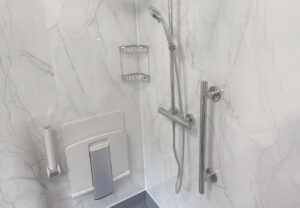
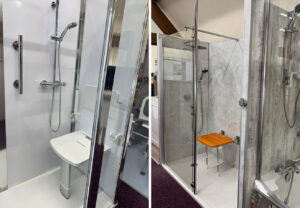
Some people, after thinking about walk-in baths, decide that a walk-in shower or a wet room might suit them better. Both are excellent accessible bathing solutions, and in some cases they can actually be a simpler way to manage water containment because there is no door seal involved in the same way.
A wet room, for example, is a fully tiled, level-access bathroom where the entire floor is designed to drain away water. There’s no step, no tray, and no door that needs to seal against water pressure. For some people, particularly those who need assisted bathing or use a wheelchair, a wet room offers more flexibility and fewer maintenance concerns.
That said, many people genuinely prefer a bath to a shower, and a walk-in bath remains one of the most popular accessible bathing solutions we install. The ability to soak, to use hydrotherapy jets if desired, and to enjoy a traditional bathing experience with added safety features is something that a shower simply can’t replicate.
If you’re unsure which solution is right for you, we’d always encourage a conversation with one of our team. We visit homes across the UK and can assess your bathroom, discuss your needs, and help you make an informed decision without any pressure. You’re also welcome to visit our showroom in Tamworth, which is the largest mobility bathroom showroom in the UK.
What should you do if you notice a leak in an existing walk-in bath?
If you already have a walk-in bath and you’ve noticed water escaping around the door, don’t panic. The first thing to check is whether the door is being fully closed and latched before filling. It sounds simple, but an incompletely latched door is one of the most common causes of water getting out.
If the door is closing correctly and you’re still seeing water, it’s likely that the door seal needs attention. Run a finger around the inside of the seal when the door is closed and look for any areas where the rubber feels thin, hard, or uneven. A bathroom fitter with experience of walk-in baths should be able to advise quickly on whether the seal can be adjusted or needs replacing.
If the bath was installed by a different company and you’re experiencing ongoing issues, we’re always happy to take a look. Our team has seen most things when it comes to walk-in bath problems, and sometimes a relatively minor adjustment is all that’s needed to get things working as they should.
Frequently asked questions about walk-in baths
Do walk-in baths leak when you fill them up?
A correctly designed and properly installed walk-in bath should not leak. The door is engineered to open inward, so water pressure pushes it more tightly against the seal as the bath fills. As long as the door is fully closed and latched before you start running the water, the seal should remain watertight throughout your bath.
How long does a walk-in bath door seal last?
With regular use and normal care, door seals on a quality walk-in bath can last many years. However, like any rubber or silicone component, they can gradually harden or shrink over time. It’s worth inspecting the seal every year or so. If you notice any cracking, stiffness, or visible gaps, it’s a good idea to have it checked before it causes a problem.
What happens if I open the door before the bath has drained?
You should always wait until the bath has fully drained before opening the door. Opening the door while there is still water in the bath will cause it to flow out onto the floor. This is simply how walk-in baths work, and it’s something we explain to every customer as part of the handover when a new bath is installed. Most people adapt to this routine very quickly.
Are walk-in baths more likely to leak than ordinary baths?
Not if they are built well and fitted correctly. Every bath, conventional or otherwise, can develop leaks if the surrounding silicone deteriorates or the installation isn’t done properly. Walk-in baths have an additional door seal to maintain, but this is a manageable maintenance task rather than a significant weakness. Choosing a quality product and a specialist installer minimises the risk considerably.
Can I have a walk-in bath installed in a smaller bathroom?
Walk-in baths come in a range of sizes, including compact models designed for smaller spaces. The best way to find out what will work in your bathroom is to have a home visit or visit our showroom near Tamworth. Our team can measure your space, talk through your options, and recommend a solution that fits both the room and your needs.
Is a wet room a better choice than a walk-in bath if I'm worried about water on the floor?
A wet room is a fully level-access bathroom where the floor is designed to drain all water away, so there’s no door seal to worry about. For some people, especially those who need carer assistance, this can be a practical option. That said, many people prefer the experience of a bath and are very happy with a walk-in bath once they understand how it works. Both solutions have genuine advantages, and the right choice depends on your individual circumstances.