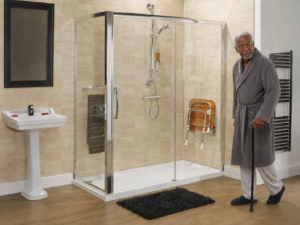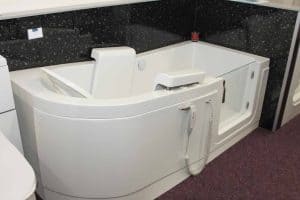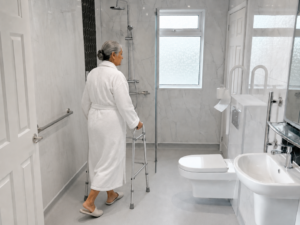
If you’re thinking about adapting your bathroom to make it safer or easier to use, you may be wondering whether you need to apply for planning permission before the work can begin. It’s a question that comes up often, and the short answer is: in most cases, no. Converting your existing bathroom into a wet room or replacing a standard bath with a walk-in bath is generally considered an internal home improvement, which means it falls outside the scope of planning control.
That said, the full picture is a little more nuanced. There are building regulations to consider, and if you live in a listed building or a property in a conservation area, different rules may apply. Understanding exactly what’s required before work begins can save you time, stress, and unnecessary expense down the line.
This guide explains what you do and don’t need in terms of official permissions when installing a walk-in bath or wet room in your home, so you can plan your project with confidence.
Why most bathroom adaptations don’t require planning permission
In England and Wales, planning permission is generally required when you are making a material change to the external appearance of a building, changing how a property is used, or carrying out development that goes beyond what is classed as “permitted development”. Internal alterations – including changing your bathroom layout, replacing fixtures, or installing a wet room – do not fall into any of these categories.
Because a walk-in bath or wet room installation takes place entirely within your existing bathroom space, it is treated as a like-for-like adaptation rather than a structural change to the property. The same logic applies to wet rooms, even if the floor needs to be lowered slightly to accommodate drainage. As long as the work is contained within the footprint of the existing room and does not affect load-bearing walls or the exterior of the building, no planning application is typically needed.
Scotland and Northern Ireland have their own planning frameworks, but the principles are broadly similar. If you’re unsure whether your local authority has any specific requirements, it’s always worth a quick call to them before work begins.
Do building regulations still apply even without planning permission?
Yes, and this is where some homeowners are caught off guard. Planning permission and building regulations are two separate things, and it’s entirely possible for a project to need one without the other, or to need both, or neither.
Building regulations set minimum standards for construction work in terms of safety, energy efficiency, and structural integrity. For a wet room or walk-in bath installation, the most relevant areas are:
- Drainage and waterproofing, to make sure water is properly managed and does not cause damage to the structure of the building
- Electrical installations, if any new wiring, lighting, or heated towel rails are being fitted (bathroom electrics must comply with Part P of the building regulations)
- Ventilation, particularly important in a wet room where moisture levels are higher
In practice, a reputable and experienced bathroom fitter will carry out all of this work to the required standard as a matter of course. If electrical work is involved, it should be completed by a qualified electrician who can certify the work under the Part P self-certification scheme.
Life Quality Bathing has over 25 years of experience installing accessible bathrooms across the UK. Our fitters are well-versed in building regulations and will ensure that every aspect of your installation meets the required standards, giving you complete peace of mind.
What if you live in a listed building or conservation area?
If your home is a listed building, you will need listed building consent for any alterations that could affect its character, both internally and externally. Even work that would normally be permitted in an ordinary home may require consent in a listed building. The threshold can be surprisingly low, so it’s important to contact your local planning authority before proceeding.
If you live in a conservation area but your home is not itself listed, internal bathroom alterations are unlikely to require any additional permissions, because conservation area restrictions are primarily concerned with the external appearance of buildings and the character of the surrounding area. However, if your project involves any external changes (such as changing a window to improve ventilation), those changes would need to comply with the relevant restrictions.
When in doubt, a short conversation with your local planning department costs nothing and can save a great deal of hassle later on.
Does it make a difference if you’re renting or living in a leasehold flat?
If you rent your home, you will need written permission from your landlord before carrying out any alterations, regardless of whether planning permission is required. This includes mobility adaptations. Under the Equality Act 2010, landlords are generally not permitted to refuse reasonable requests for disability-related alterations without good reason, but it’s still essential to go through the proper channels and get any agreement in writing before work begins.
If you own a leasehold property, your lease may contain clauses requiring you to obtain the freeholder’s permission before making structural or plumbing alterations. Again, this is separate from any planning or building regulations requirement. Check your lease carefully, or ask a solicitor to review it if you’re unsure.
How an occupational therapist assessment can help with your plans
If you or someone you care for has a disability or mobility condition, it may be worth requesting an assessment from an occupational therapist (OT) before committing to a particular design. An OT can assess your specific needs and recommend the most suitable type of adaptation, whether that’s a walk-in bath, a level-access wet room, or a walk-in shower with fold-down seating and grab rails.
An OT assessment can be arranged through your GP, your local council’s adult social care team, or privately. In some cases, the council may also be able to assist with adaptations through the Disabled Facilities Grant, though the scope of such support varies between local authorities.
Life Quality Bathing offers free home visits and consultations to help you understand your options. Our team can work alongside OT recommendations and take the time to understand your individual circumstances before suggesting any particular solution.
What should you do before booking your installation?
For most homeowners, the process is straightforward. Before going ahead with a walk-in bath or wet room installation, it’s sensible to:
- Check with your local authority if your property is listed or in an area with any specific restrictions.
- Confirm with your lease or tenancy agreement that you’re permitted to make alterations.
- Ensure your chosen installer is qualified and experienced enough to carry out the electrical and plumbing work to building regulations standards.
- And, if applicable, let your buildings and contents insurer know about the planned work so your cover remains valid.
Working with an accredited specialist takes much of the uncertainty out of this process. Life Quality Bathing holds accreditations from Checkatrade, The Guild of Master Craftsmen, Trustatrader, and Which? Trusted Trader. These credentials reflect not only the quality of their installations but also their commitment to transparent and trustworthy service.
You can find out more about our range of walk-in baths, wet rooms, and accessible shower solutions on our website, or by visiting our showroom in Seckington, Tamworth, the largest mobility bathroom showroom in the UK.
Frequently asked questions
Do I need to notify my local council before installing a wet room?
Will installing a walk-in bath affect my home insurance?
Can I install a wet room in any type of property?
Wet rooms can be installed in the vast majority of homes, including flats, bungalows, and older properties. The key considerations are the structural integrity of the floor and the ability to create adequate drainage and waterproofing. A specialist installer will carry out a survey to confirm suitability before recommending a design.
How long does it take to install a walk-in bath or wet room?
Most walk-in bath installations can be completed in one to two days. Wet rooms are usually a little more involved because of the waterproofing and drainage work required, and typically take two to four days. Your installer should give you a clear timeline before work begins so you can plan accordingly.
Is it worth getting professional advice before deciding between a walk-in bath and a wet room?
Absolutely. The right solution depends on your specific needs, the size and layout of your bathroom, and your budget. A specialist like Life Quality Bathing offers free consultations, either at their showroom or with a home visit, so you can get personalised advice before committing to anything. They can walk you through the practical differences between a walk-in bath, wet room, and walk-in shower so you can make an informed choice.
What qualifications should I look for in a bathroom fitter carrying out this kind of work?
Look for fitters who are accredited by recognised trade bodies such as The Guild of Master Craftsmen, and independently verified through schemes like Checkatrade, Trustatrader, or Which? Trusted Trader. Any electrical work should be carried out or signed off by a Part P certified electrician. These credentials give you confidence that the work will be done properly and to the required legal standards.