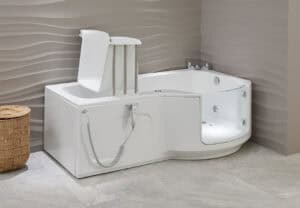
If you’ve been thinking about a walk-in bath, you’ve probably also wondered whether the investment is really justified. It’s a fair question. A walk-in bath is a significant purchase, and like any major home adaptation, it’s worth taking the time to understand exactly what you’re getting before you commit. The short answer is yes, for the right person in the right circumstances, a walk-in bath can make a very real difference to daily life.
The longer answer depends on your individual situation. A walk-in bath isn’t the right solution for everyone, and we’d never suggest otherwise. But for older adults, people with reduced mobility, or those managing conditions such as arthritis, joint pain, or balance difficulties, the ability to bathe safely and independently is something that’s hard to put a price on.
In this article, we’ll walk you through what a walk-in bath actually involves, what the genuine benefits are, what the limitations are, and how to decide whether it’s the right choice for your home. We’ve spent over 25 years helping people across the UK make this decision, and we want to give you the most honest picture we can.
What exactly is a walk-in bath, and how does it work?
A walk-in bath is a bathtub with a watertight door built into the side. Rather than climbing over a high bath edge, you open the door, step in, close it behind you, and then fill the bath. When you’re finished, you drain the water before opening the door to step out.
This is an important point that catches some people off guard: you do need to wait for the bath to drain before you exit. That’s simply how the door seal works. Most modern walk-in baths drain quickly, often in under two minutes, but it’s worth knowing upfront so it doesn’t come as a surprise.
Walk-in baths are available with a range of optional features, including built-in seats, handrails, thermostatic controls to prevent scalding, and spa-style jets for hydrotherapy. The level of specification you choose will depend on your needs and your budget.
What are the real benefits of a walk-in bath?
The most significant benefit is safety. Falls in the bathroom are one of the leading causes of serious injury among older adults in the UK. According to the NHS, falls are the most common cause of injury-related deaths in people over 75. Climbing in and out of a standard bath is one of the riskiest moments in a typical day, particularly if you have reduced strength, stiffness, or balance issues. A walk-in bath removes that risk almost entirely.
There’s also a strong case for independence. Many people feel reluctant to ask for help with personal care, and understandably so. Being able to bathe on your own terms, without needing to wait for a carer or family member, is something that matters deeply to a lot of people. For those who have begun to rely on assisted bathing, a walk-in bath can restore a meaningful level of privacy and self-reliance.
For people with arthritis, back pain, or chronic conditions affecting the joints and muscles, the warmth of a proper soak can offer genuine physical comfort. Hydrotherapy jets, available on many of our walk-in bath models, are designed to direct warm water pressure to specific areas of the body, which some users find helps to ease stiffness and discomfort. This isn’t a medical treatment, but many of our customers tell us it makes a noticeable difference to how they feel.
Are there any drawbacks worth knowing about?
It wouldn’t be a fair assessment without addressing the limitations. The wait-to-drain issue is the one most commonly mentioned. If you get cold easily, or if you’re someone who finds sitting still uncomfortable for a few minutes, it’s worth factoring this in. That said, many people find that with a warm towel rail nearby and a well-heated bathroom, the wait is no real inconvenience.
Walk-in baths are also generally not suitable as a primary bathing option if your main need is for quick, daily showers. They’re designed around the experience of a bath, with all the comfort and therapeutic benefit that involves. If what you’re really looking for is an accessible showering solution, a walk-in shower or wet room might be a more practical choice. We’re always happy to talk through the options and help you decide which would suit you best.
Cost is another consideration. Walk-in baths are more expensive than a standard bath, and a professional installation is essential to ensure safety and waterproofing. However, when you weigh the cost against the ongoing price of paid care, the potential consequences of a bathroom fall, or simply the quality of daily life, many families find the investment is worthwhile.
How do you know if a walk-in bath is the right choice for you?
A walk-in bath tends to be a particularly good fit if you genuinely enjoy a bath and want to keep having them safely, if you have reduced mobility that makes getting in and out of a standard bath difficult or risky, if you live alone and bathing without assistance is important to you, or if you manage a condition where warm water immersion brings physical relief.
It may be less suitable if:
- Your main priority is showering rather than bathing.
- You need full assisted care, in which case a wet room may offer greater accessibility for a carer to assist you.
- Your bathroom space is particularly tight, though our team can advise on what is possible during a free consultation.
If you’re uncertain, the best thing to do is talk it through with someone who genuinely understands the options. Our showroom in Seckington, near Tamworth, is the largest dedicated mobility bathroom showroom in the UK. You’re welcome to come and see our walk-in baths in person, ask questions, and take your time. We also offer home visits if travelling is difficult.
What should you look for in a quality walk-in bath installation?
Not all walk-in bath installations are equal. The quality of both the product and the fitting matters enormously, both for safety and for long-term satisfaction. When choosing a company to install your walk-in bath, look for independent accreditations that verify their workmanship and customer care. We are accredited by Checkatrade, The Guild of Master Craftsmen, Trustatrader, and Which? Trusted Trader, which means our standards are independently verified, not just self-reported.
It’s also worth asking about the after-care and warranty offered. A walk-in bath is a long-term fixture in your home, and you want to know that any issues will be handled properly. We stand behind every installation we carry out and are always available to help if something isn’t right.
Finally, be cautious of any company that pressures you into a quick decision. A mobility bathroom is a personal, considered purchase. Take the time you need, ask all the questions you want, and make sure you feel entirely comfortable before you proceed. That’s the approach we’ve always taken, and it’s why so many of our customers come to us through recommendation.
Frequently asked questions about walk-in baths
How long does it take to fill and drain a walk-in bath?
Most walk-in baths fill in around five to eight minutes and drain in one to three minutes, depending on the model and your home’s water pressure. The draining time is the part that surprises some people, as you need to wait for the water to drain before opening the door to step out. Choosing a bath with a fast-drain system can reduce this wait significantly.
Can a walk-in bath be fitted into my existing bathroom?
In most cases, yes. Walk-in baths come in a range of sizes, including models designed for smaller bathrooms. Our team will measure your space carefully during a consultation and recommend the most suitable option. In some cases, minor adjustments to plumbing or the bathroom layout may be needed, but we handle all of that as part of the installation.
Is a walk-in bath better than a walk-in shower for older people?
It depends entirely on the individual. A walk-in bath is ideal for those who enjoy bathing and want the option of full immersion, particularly if they benefit from the warmth or from hydrotherapy features. A walk-in shower tends to suit people who prefer quick, daily showering and don’t need to wait for filling or draining. Some people choose to have both, and we can design bathrooms that incorporate either or both solutions.
Do walk-in baths need any special maintenance?
Walk-in baths don’t require significantly more maintenance than a standard bath. The door seal is the most important component to keep an eye on, and it should be checked periodically for signs of wear. If you have a model with jets, these should be cleaned regularly to prevent any build-up. We provide full guidance on care and maintenance when we complete an installation.
Can I get a walk-in bath if I use a wheelchair?
A walk-in bath requires you to be able to step in, so it may not be the most suitable option if you are a full-time wheelchair user. In those circumstances, a wet room or a level-access shower is usually a better solution, as these allow wheelchair access without the need to step over any threshold. Our team can help you explore all the options and find the most appropriate solution for your circumstances.